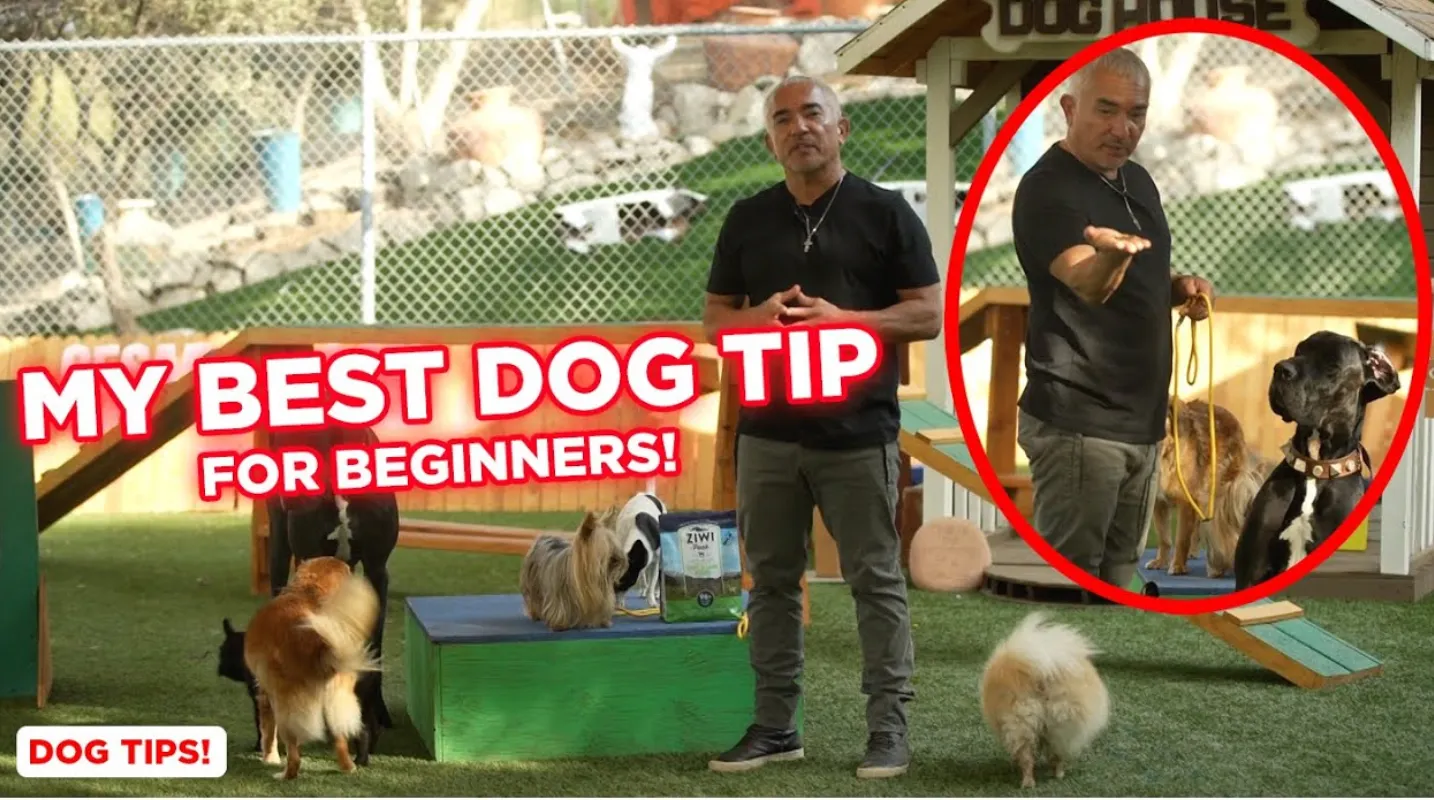
Recall That Works: The (Not-So-Secret) Recipe for Getting Your Dog to Come, Every Time
Recall That Works: The (Not-So-Secret) Recipe for Getting Your Dog to Come, Every Time
Sep 12, 2025
I still remember the first time I tried to teach recall to my own stubborn beagle, Marley. Spoiler: I ended up sprinting across the backyard in my pajamas, waving a bag of chicken treats, while Marley debated whether coming to me was worth more than investigating last night’s squirrel drama. If you’ve ever felt outsmarted by your canine in your own backyard, welcome to the club. Lucky for you, here at Brooklin Barkhouse, we’ve turned those laugh-out-loud blunders into recall wisdom. Let’s get weirdly specific about how to get your dog to actually come when called (and not just act like you’re invisible).
The Secret Sauce: Making Recall Irresistible with Real-Life Rewards (Advice Your Dog Wishes You'd Take)
Let’s be honest: your dog doesn’t care about your logic. When you call “come!” and your dog is nose-deep in a patch of rabbit poop, you’re not just competing with a distraction—you’re up against the ultimate canine jackpot. This is where the real magic of positive reinforcement dog training comes in. At Brooklin Barkhouse , we know that recall isn’t about commands; it’s about value . If you want your dog to come when called, you have to become more interesting—and more rewarding—than anything else in their world.
Why Dogs Ignore You: The Power of Environmental Rewards
Picture this: You’re at the park. You call your dog, but instead of running to you, they chase a fluttering leaf, ignoring even the juiciest steak you’ve ever offered. Sound familiar? Dogs are experts at prioritizing what’s most rewarding in the moment. They don’t think, “Mom’s calling, I should go.” They think, “Ooh, leaf! Must chase!”
This is why dog recall training techniques must focus on making YOU the most rewarding thing in your dog’s environment. If you’re not, you’ll lose the recall game every time.
Recall = Reward Ritual (Not Just a Command)
Here’s the secret sauce: Recall is less about the word “come” and more about what happens when your dog gets to you . Dogs like Wallen aren’t born knowing “come”—they learn it means something awesome is about to happen. The more you reinforce this, the more reliable your recall becomes.
- Immediate Rewards: The moment your dog turns toward you, reward them. Don’t wait until they’re sitting at your feet—catch them in the act of making the right choice. As the experts say,
"Timing of rewards is critical; immediate reinforcement after the desired behavior ensures proper association."
- Customize the Reward: Not every dog is food-motivated. Some love chicken, others go wild for a squeaky toy, and a few would do anything for an epic butt scratch. Pay attention to what lights up your dog’s world and use it as your recall jackpot.
- Engage All Senses: Use your voice, movement, and even toys to catch your dog’s attention. Backing up as you call, clapping, or using a favorite tug toy can make you more exciting than whatever’s out there.
Practical Example: Building a Recall Ritual
Let’s break down a simple recall session, inspired by the Wallen example from Brooklin Barkhouse :
- Start with your dog on a leash or long line in a low-distraction area.
- Ask for a sit-stay. Make sure your dog is focused on you.
- Say your dog’s name, then “come!” in a happy, upbeat tone.
- Back up a few steps, making yourself interesting (wave a treat, squeak a toy, clap).
- As soon as your dog moves toward you, immediately praise and reward—don’t wait!
- Repeat, repeat, repeat. Consistency and timing are everything.
Remember, training with treats and toys isn’t bribery—it’s teaching your dog that coming to you is the best thing ever. Over time, you’ll build a powerful association: “When I hear ‘come,’ awesome things happen!”
Environmental Management: Setting Up for Success
Don’t set your dog up to fail. If you know your dog can’t resist squirrels, don’t practice recall near a squirrel hotspot until your dog is rock-solid in easier environments. Gradually increase distractions as your dog’s recall improves. This is the heart of positive reinforcement benefits : building confidence and trust, not frustration.
Customizing Rewards: What REALLY Motivates Your Dog?
Every dog is different. Some will drop everything for a piece of chicken; others want a game of tug or a round of fetch. Observe your dog closely:
- Does your dog light up for cheese, hot dogs, or freeze-dried liver?
- Is your dog toy-obsessed? Use a favourite ball or squeaker as a reward.
- Does your dog crave attention? Lavish praise, petting, and silly voices can be just as powerful.
Mix it up to keep things exciting. The more unpredictable and fun you are, the more your dog will want to come running—no matter what else is happening.
Key Takeaway: Make Recall Worth It
If you want a recall that works every time, remember: your dog is always asking, “What’s in it for me?” Make the answer irresistible, and you’ll have a dog who comes flying every time you call.
The Not-So-Glam Side: 'Long Line Leash Chaos' & The Myth of the Perfect Dog
If you’ve ever watched a dog trainer at the Brooklin Barkhouse or tried reliable dog recall strategies yourself, you know the truth: recall training is rarely Instagram-worthy. There’s no such thing as a “perfect dog” who comes every time, in every situation, without a hitch. Instead, there’s a lot of repetition, a bit of chaos, and—most importantly—a long line leash that gets tangled more often than you’d like to admit.
Why Long Lines (and Accidental Entanglements) Are Non-Negotiable
Let’s get real: even the best-trained dogs can turn into selective-hearing experts the moment a squirrel, a neighbor, or a delivery van appears. That’s why long line training for dogs is a cornerstone of Brooklin Dog Training. As the pros say,
"Long line training is a useful method to safely teach recall while allowing controlled freedom."
With a long line—think 15 to 30 feet of sturdy leash—you give your dog the illusion of freedom, but you still have the power to reinforce your recall command if they get distracted. It’s not glamorous, but it’s the safest way to teach your dog that “come” means come, not “come if you feel like it.”
- Controlled Freedom: Your dog can explore, but you’re always in control.
- Instant Correction: If your dog ignores you, you can gently reel them in and reinforce the command.
- Real-World Practice: The long line lets you practice in parks, backyards, or even on the sidewalk—wherever distractions lurk.
No Dog Is Immune to Selective Hearing—You WILL Get Ignored
Here’s the myth: “If I train hard enough, my dog will always come.” The reality? Every dog, from the greenest puppy to the seasoned pro, will ignore you at least once. Maybe it’s a squirrel. Maybe it’s the neighbor’s barbecue. Maybe it’s just a really interesting smell. The point is, recall isn’t about perfection—it’s about consistency.
Imagine you’ve spent two weeks practicing recall in your quiet backyard. Your dog comes every time, tail wagging, ready for a treat. You feel confident. Then, you try the same command at the park, and—nothing. Your dog is off, nose to the ground, ignoring you completely. This is the classic pitfall: dogs learn to come only when there are no distractions . That’s why the long line is your best friend. It lets you correct and guide your dog, even when their ears are “closed for business.”
Brooklin Dog Training Pro Tip: Practice in Real Life (and Weird Weather)
At Brooklin Barkhouse, trainers know that life isn’t always perfect. That’s why they recommend practicing leash drills in all kinds of conditions:
- Rainy days —because puddles are more interesting than you.
- Dusk or dawn —when shadows and smells are extra distracting.
- Fridge delivery day —because nothing tests recall like a stranger hauling a giant box across your driveway.
Mixing up your training environments is key, but your rules should never change. Dog training consistency and corrections are what make recall reliable. If you let your dog ignore you sometimes, you’re teaching them that “come” is optional. If you always follow through—using the long line when needed—you’re building a habit that sticks, even when life gets chaotic.
How to Avoid Recall Training Pitfalls
- Use the long line every time until your dog is truly reliable, not just in your backyard but everywhere.
- Be consistent with your commands and corrections —never let a missed recall slide.
- Gradually add distractions so your dog learns to listen, no matter what’s happening around them.
Remember, even after weeks of training, your dog can be tempted to ignore a recall if you don’t correct them or if the environment isn’t managed. The long line makes sure your training sticks—even when the neighbour’s fireworks start or the pizza guy rings the bell. That’s the not-so-glam side of reliable dog recall strategies , and it’s what separates real-world results from the myth of the perfect dog.
Avoiding the 'Recall Game': When Your Dog Outsmarts You (And How to Outsmart Them Back)
If you’ve ever found yourself breathlessly yelling “COME!” across a field—only to watch your dog gleefully chase a butterfly instead of you—welcome to the ‘recall game.’ This is where your clever canine figures out exactly when you can (and can’t) reach them, and acts accordingly. It’s a classic scenario in dog recall training techniques, and it’s one of the most common pitfalls we see at Brooklin Barkhouse.
Let’s get real: dogs are smart. They quickly learn patterns and consequences, or the lack thereof. If you’ve ever felt like your dog is playing chess while you’re stuck on checkers, you’re not alone. Here’s why this happens—and how you can flip the script.
The 'Dog Game': Outsmarting the Outsmarted
Picture this: your dog is off-leash, you call them, and they pause. You see the wheels turning—are you close enough to catch them? Are you distracted? Is there something more interesting nearby? If your dog senses you can’t enforce your command, they might just ignore you. This is the heart of the ‘dog game’—your dog is calculating the odds and sometimes, they bet on freedom.
To make this relatable, think about speeding. Imagine a world where there were no speeding tickets, no police, no cameras—nothing to stop you from driving as fast as you want. Would you really stick to 50 in a 50 zone? Sure, a few of us are “naturals” who’d follow the rules anyway, but most would push the limits. As I always say, “If you don’t have some sort of consequence every single time your dog starts to realize like all right it’s 50/50 or 80/20 right they realize they don’t get corrected every time they don’t listen.”
Why Consistency is Your Secret Weapon
Dogs thrive on consistency. If you only enforce your recall command sometimes, your dog learns that coming when called is optional. This is why dog training consistency and corrections are so important. If you call your dog and they ignore you, you must follow through—every single time. If you give up mid-command, you’re teaching your dog that ignoring you is sometimes okay. That’s how recall becomes a coin flip instead of a sure thing.
At Brooklin Barkhouse, we use tools like long lines to ensure we can always enforce a recall. If your dog ignores you, calmly mark it with a “no,” go to them, and guide them back. The correction doesn’t need to be harsh or scary—it just needs to be consistent and fair. The level of correction depends on your dog’s age, temperament, and the situation. For example, if your dog comes halfway and then sits by another person, a gentle reminder is enough. But if they bolt toward a busy road, your correction needs to be firmer to break their focus and keep them safe.
Consequences: Not Punishment, Just Clarity
Let’s be clear: consequences for ignoring dog commands aren’t about punishment—they’re about clarity. Your dog needs to understand that ignoring a recall isn’t an option. If you let missed recalls slide, your dog learns that sometimes, they can get away with it. Over time, this erodes your training and makes recall unreliable. As you practice, remember: never bribe your dog to come. Instead, reinforce the command with calm confidence and always finish what you start.
Recall training should be proactive, not reactive. Set your dog up for success by practicing in low-distraction environments first, then gradually increasing the challenge. Use praise and rewards when your dog comes, but don’t shy away from fair corrections when they don’t. This balance builds trust and reliability.
In the end, avoiding recall training pitfalls is about being more consistent than your dog is clever. Don’t let recall become a game of chance. With the right approach, you’ll have a dog who comes every time—not just when it’s convenient for them. Stick with these Brooklin Dog Tips and Tricks, and you’ll outsmart even the craftiest canine. Remember, every recall is a chance to reinforce your bond and build a partnership based on trust, clarity, and consistency.